Hounslow House Clearance
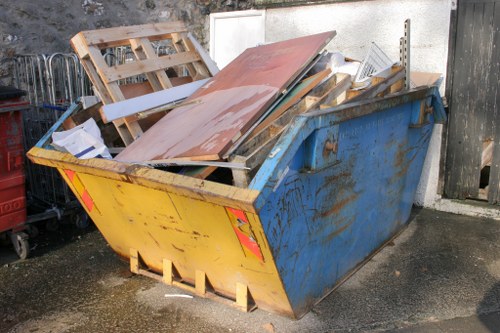
Hounslow house clearance gives homeowners, landlords and property managers a straightforward way to clear unwanted contents from homes in the borough, with a focus on the removal and sorting of furniture, bulky household items and mixed domestic waste. Whether you need a single room emptied or a fuller property clearance, the work is centred on practical removal, responsible handling and a tidy finish. Our house clearance service is built around clear communication and a sensible plan for the items that need to go.
We handle clearances in a way that helps you decide what should be kept, what can be reused and what must be taken away. For many customers, that means dealing with furniture, appliances, bags of general household items and loft, garage or spare-room contents in one organised visit. If you are comparing options, you can review our house clearance service for the core domestic work and then look at related pages for more specific room-by-room or item-specific clearances. The aim is to make the next step easy: send your details and request a quotation.
We can also support clearances where the contents are spread across more than one part of the property, such as upstairs bedrooms, storage cupboards and outbuildings. That is useful when the job is not simply about one category of item but about creating a proper, workable plan for the whole space. If you already know the main items involved, a short note can help shape the discussion. Clear instructions lead to a clearer quote, and they also help avoid unnecessary visits or confusion about access and scope.
Domestic clearance options
House clearance projects often need more than basic lifting. A room may contain furniture, personal effects, old paperwork, ornaments, soft furnishings or a mixture of all four, and each category needs different handling. We can work through the home methodically so that the items destined for removal are separated from those that should remain. That approach suits probate situations, pre-sale clearances, tenant moves and general decluttering alike, while keeping the focus on the physical work rather than on unnecessary disruption.
For customers who want to understand the scope first, the useful pages on home clearance and flat clearance explain related domestic work that can overlap with a house move or a change of occupancy. The right choice depends on the property type, the amount of contents involved and any access limits such as stairs, narrow hallways or parking restrictions. A well-scoped clearance should match the property rather than forcing the property to match the clearance.
In practical terms, domestic clearance work may include dismantling simple items for removal, moving bulky objects from awkward rooms, and separating reusable furniture from general refuse where appropriate. It can also involve clearing partial contents rather than every item in the home, which is often the better choice when some rooms are already empty or when only certain areas need attention. If you are ready to move forward, the next sensible step is to request a quotation based on the rooms and items involved.
Furniture, bulky items and disposal

Many clearance jobs begin with furniture because it is usually the hardest part to manage alone. Sofas, wardrobes, beds, tables and cabinets can all present different handling challenges, especially where access is tight or the pieces need to be moved without damage to walls and floors. Our furniture-focused clearance pages cover the practical removal of large household items, and they are helpful when the main concern is getting bulky pieces out cleanly rather than clearing every item in the property.
If you are deciding whether to keep, move or remove items, it can help to separate the work into item groups. The furniture clearance and furniture disposal pages outline those options in more detail, while the wider clearance service remains useful when several item types are mixed together. A considered approach matters because not every item belongs in the same category, and some pieces may need to be handled differently depending on condition, material or size.
Supporting furniture removal can also include dealing with mattresses, loose household fittings and other large objects that no longer serve a practical purpose. The service is designed to remove those items efficiently while keeping the property itself in good order. If the job includes more than one bulky item, it is usually best to list them together so the quotation reflects the true scope. You do not need to write a long description, but you should be specific about the main items so the plan is accurate.
Room-by-room clearances
Different parts of a home often create different clearance problems. A loft may contain awkwardly stored boxes and seasonal items; a garage can include tools, shelving and old household overflow; a garden may hold broken outdoor furniture and general waste. Clearing these areas well means adjusting the method to the space, rather than treating every room as if it were the same. That is why dedicated room pages are useful when you only need part of the property handled.
For more focused work, the relevant pages for loft clearance, garage clearance and garden clearance show the kinds of spaces often handled separately from the main home. These jobs commonly involve mixed items, difficult access or contents that have been left untouched for some time. Choosing the right service topic can help you describe the clearance more accurately and avoid over-specifying work that is not actually needed.
Room-by-room clearances are useful when you want the home to stay partly in use while specific spaces are emptied. They also suit preparation work before decorating, selling or letting a property, when only certain sections need attention first. In those cases, the quotation should reflect the room count, the bulk of the contents and any special access issues. If you are still deciding, start with the room that is most urgent and work from there.
Business, office and builder waste

Although the main focus here is domestic clearance, it is common for household work to overlap with other clearance types when a property is being refurbished, emptied for sale or cleared after a change in use. A garage, outbuilding or study may contain commercial documents, office furniture or builder-related debris from a small project. In those situations, the work needs to be matched to the type of material and the practical route out of the property, rather than being treated as one generic removal job.
Where the contents are more commercial in nature, the relevant pages for office clearance, business waste removal and builders waste clearance can help identify the right fit. These pages are useful when the task involves desks, filing items, renovation offcuts or mixed work-related waste. That said, a domestic property often contains a blend of household and non-household items, so the most sensible approach is to describe what is actually there and let the scope guide the service choice.
In mixed clearances, the practical questions are usually about load size, access and sorting rather than about labels alone. A good quotation should reflect whether the material is mainly furniture, general waste, office contents or building residue, because each group may need different handling. We can then plan the removal around the contents, the access route and the condition of the items. If you have a mixed property to clear, a clear list of the main categories will help you get a more relevant response.
What affects the quotation
Quotation preparation for house clearance is usually based on a handful of concrete factors: the amount of material, the type of items, how easy they are to reach and whether any pieces need extra handling. A single bulky wardrobe is not the same as several rooms of mixed contents, and a straightforward ground-floor removal is not the same as carrying items down narrow stairs. Keeping those differences in mind helps ensure the quote reflects the job properly.
The pricing and quotes page is a useful place to look if you want to understand how clearances are assessed before any work is arranged. It is generally sensible to mention the main items, the number of rooms involved and any access constraints such as parking, lifts or steep paths. If you are uncertain about the smaller details, focus first on the obvious points: what needs removing, where it is located and whether anything is especially heavy or awkward. That is enough to begin an accurate conversation.
Two practical steps usually make the process smoother: note the rooms involved and identify the largest items first. Those details help avoid under-scoping the work, especially where a property contains a mixture of furniture, bags and loose household goods. If the clearance is being arranged alongside a move, sale or renovation, it is also worth saying so, because the timing and order of removal can matter. After that, the quotation can be shaped around what is actually needed.
Preparing for a house clearance
There are a few sensible things you can do before the team arrives, and they are mostly about saving time and keeping the property organised. If there are items that must stay, it helps to move them together or clearly separate them from the contents being removed. Likewise, if there are documents, keepsakes or valuables among the items, keeping them apart reduces the chance of confusion. This is not about creating extra work for you; it is about making the clearance more accurate from the start.
It can also help to think about access in advance. For example, if the property has limited parking, a narrow stairwell, shared hallway or controlled entry system, mentioning that early on helps set expectations. When the contents are spread across several rooms, a brief list is often enough. You do not need to write a long inventory, but you should be ready to describe the main spaces and the larger items. That keeps the process manageable without turning it into paperwork.
Once the basics are noted, the next step is simple: ask for a quotation. If you want to compare related services at the same time, you can also review the specific room and item pages to see whether one broader clearance or several smaller ones is the better fit. A clear request usually works best when it says what is to be removed, what is staying and when the property needs to be ready.
About Hounslow
Hounslow is a large district in west London with a long history shaped by travel, trade and suburban growth. It developed as a coaching stop on the road between London and the west, and that older transport role still informs the area’s character today. The district contains a mix of residential streets, commercial frontages and older pockets that sit alongside later developments, giving it a varied urban pattern rather than a single uniform centre. Hounslow High Street remains one of the most recognisable parts of the area, with retail activity and movement running through the heart of the town. Nearby, Hounslow Heath is a notable open space with a landscape history that stretches back well before modern suburbia; it is valued both as a green amenity and as a reminder of the district’s earlier form. The borough’s transport links are also important to its identity, with road and rail connections making Hounslow closely connected to central London, Heathrow and the wider west London corridor. Religious and cultural diversity is reflected in the local built environment, including places of worship, community buildings and a range of shops and services that serve the population. In architectural terms, the area includes everything from modest terraces and post-war housing to more recent apartment developments, so its streetscape combines older domestic patterns with ongoing redevelopment. That layered character is part of what makes Hounslow distinctive: it is neither a preserved historic quarter nor a purely modern suburb, but a place where different periods of London growth sit alongside one another.
Clearance for moving, letting and property changes
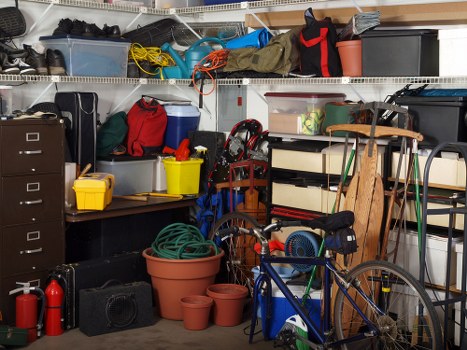
House clearance is often needed at turning points: before a sale, after tenants leave, during a downsizing move or when a relative’s property has to be dealt with. The task is rarely just about removing items; it is about creating a finish that leaves the property ready for its next stage. That may mean taking out old furniture, clearing cupboards, removing leftover household contents and leaving the space in a tidy, workable condition.
When the job is linked to a change in occupation, the most useful information is usually practical rather than emotional. A clear description of the rooms, contents and access route is enough to build a sound plan. If you want to review other relevant topics, the broader about us page explains the company background in general terms, while the service pages show how different types of clearance are grouped. For many customers, the decision is less about theory and more about getting a clear, suitable process in place.
It is also worth remembering that a property can be partly cleared and still remain functional for a while, which is useful when families, agents or landlords need to stage the work. The clearance can then be arranged around the practical deadline rather than forcing every item to leave at once. That flexibility is often what makes the difference between a stressful job and a manageable one. When you are ready, send the details and request a quotation.
Recycling, sorting and responsible handling
 House clearance work benefits from careful sorting because not every item belongs in the same stream. Some pieces may be suitable for reuse, others may need to be broken down for removal, and some household waste must be handled as mixed material. The point is not to overcomplicate the job, but to handle contents in a way that reflects what they are. That is especially important when a property contains a wide range of objects gathered over many years.
For customers who want to see how items are considered after collection, the recycling and sustainability page sets out the broader approach to waste handling and resource use. In clearance work, good sorting can support a cleaner outcome because reusable furniture, separate materials and general waste are not all treated as if they were identical. That is one reason why it helps to describe the items accurately from the start: it supports both planning and handling.
Wherever possible, the work should be organised so the clearance is efficient without losing sight of what the items are and how they should be managed. That includes being clear about anything especially fragile, especially heavy or especially awkward to move. The quotation stage is the right time to mention those points, alongside the room count and access details. If you would like to move ahead, the simple next step is to request a quotation based on the property and the contents involved.