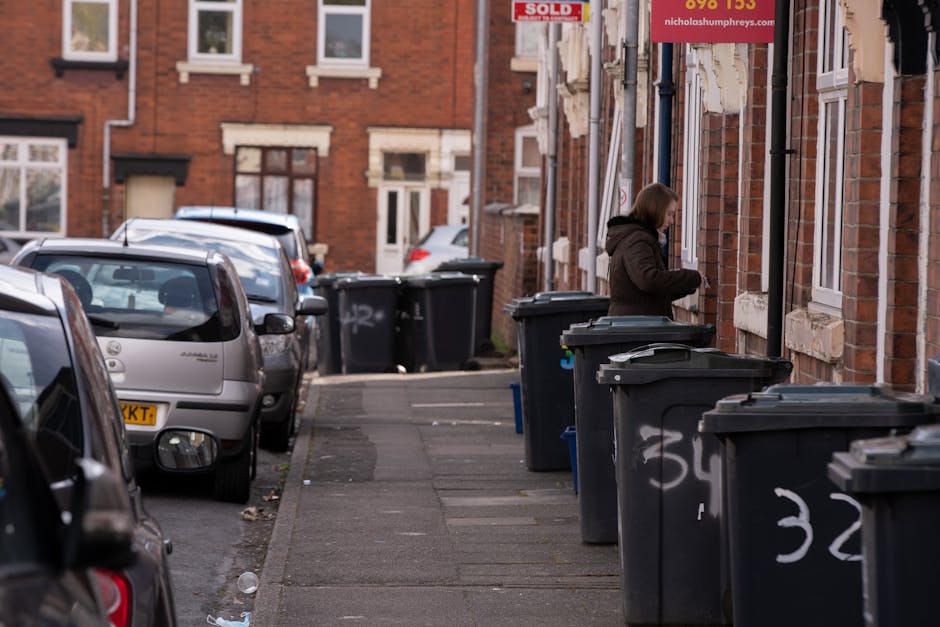
Hounslow High Street rubbish removal guide for homes
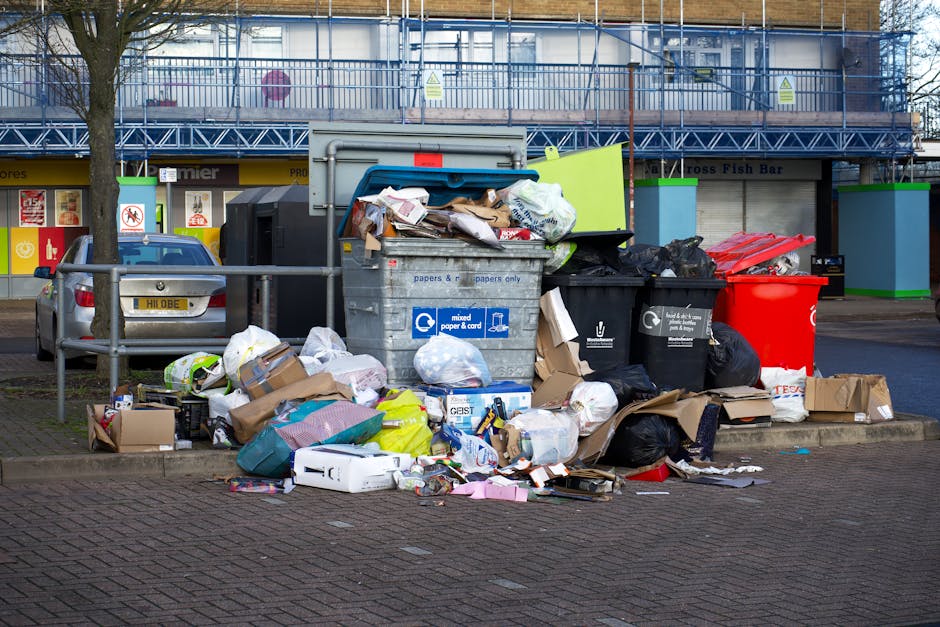
If you live near Hounslow High Street, rubbish has a way of piling up faster than you expect. One extra delivery box here, a broken chair there, then suddenly the hallway starts looking like a storage unit nobody asked for. This Hounslow High Street rubbish removal guide for homes walks you through the practical side of clearing household waste, bulky items, and awkward clutter without making a simple job harder than it needs to be.
Whether you are emptying a spare room, dealing with a post-renovation mess, or just trying to reclaim the corner of the kitchen where three old appliances have been quietly living, the aim is the same: get it gone safely, legally, and with as little stress as possible. Let's face it, nobody enjoys dragging a fridge down a stairwell on a damp Tuesday.
In this guide, you will find how home rubbish removal works, what to look out for, which options suit different household situations, and how to avoid the usual mistakes that cost time, money, or both.
Why Hounslow High Street rubbish removal guide for homes Matters
Household rubbish removal is not just about making a property look neat. In a busy area like Hounslow High Street, homes often have limited storage, tighter access, and a constant stream of parcels, furniture deliveries, and everyday waste. That means unwanted items can build up quickly, especially in flats, terraced houses, shared entrances, or homes with no driveway. The result is usually a mix of inconvenience, safety risk, and plain old clutter fatigue.
There is also the practical side. A blocked hallway, overflowing garden, or pile of old furniture can create fire hazards, trip hazards, pest issues, and tension with neighbours. In some homes, especially multi-occupancy buildings, rubbish simply cannot be left to linger. A sensible removal plan keeps things under control before the mess starts affecting daily life.
To be fair, most people do not think about rubbish removal until it becomes obvious. By then, the job feels bigger than it really is. A clear process helps you deal with it early, and in a calmer way.
If your clutter is mixed with furniture, loft items, or old household goods, it can help to look at related services such as home clearance, house clearance, or flat clearance for the kind of support that matches the property type.
How Hounslow High Street rubbish removal guide for homes Works
Home rubbish removal usually follows a simple pattern: identify what needs to go, separate what can be reused or recycled, arrange collection or transport, and make sure the waste ends up in the right place. Simple enough in theory. In practice, it gets a bit fiddly when you have mixed waste, heavy items, or access issues.
For many households, the process starts with a visual sort. You walk through the property and make three rough groups: keep, remove, and unsure. That middle pile is where most people slow down. A good rule is to ask whether an item has real use, resale value, repair potential, or sentimental value. If not, and it has been sitting there for months, it probably belongs in the removal pile.
From there, the main options are usually:
- do-it-yourself disposal using your own vehicle or local facilities
- manually sorting and preparing waste for council collection where suitable
- booking a professional waste removal or clearance service
Professional help tends to suit bulkier loads, time-sensitive clearances, and homes where lifting or moving items is awkward. It can also be the better choice when you have furniture, garden waste, loft clutter, or renovation debris all mixed together. A service like waste removal is often the most straightforward route if you want the load dealt with in one visit rather than in several exhausting trips.
Key Benefits and Practical Advantages
Good rubbish removal is one of those things that quietly improves almost everything else at home. The obvious benefit is space, of course, but there is more to it than that.
- Safer movement around the home: clear floors and hallways reduce the chance of trips and awkward lifts.
- Less mental clutter: a tidy environment makes it easier to focus, especially if the pile has been bothering you for a while.
- Faster room use: cleared space can become a guest room, storage room, office corner, or just breathing space.
- Better handling of bulky items: sofas, wardrobes, and mattresses are much easier to remove with the right support.
- More responsible disposal: reusable and recyclable materials can often be separated properly instead of being dumped into one mixed load.
There is also a hidden benefit people often overlook: decision relief. When you have a pile of unwanted items sitting around, every room feels half-finished. Remove that pile and suddenly the house starts feeling like it belongs to you again. It sounds small. It isn't.
If furniture is the main problem, you may find it useful to review furniture clearance or furniture disposal as a more targeted approach.
Who This Is For and When It Makes Sense
This guide is useful for a wide mix of households. You might be in a compact flat near the shopping stretch, a family home a short walk away, or a property where storage has slowly got out of hand. The common thread is simple: you have waste that is too much for a normal bin, too awkward for a quick lift, or too bulky to ignore.
It makes sense if you are:
- clearing out after a house move
- dealing with loft, garage, or shed clutter
- disposing of broken furniture or old appliances
- tidying after decorating or light DIY
- making space before a renovation or sale
- sorting out a property after a long period of accumulation
For loft-heavy jobs, a specific service such as loft clearance can save a lot of back-and-forth, especially if you are dealing with boxed-up odds and ends that have been up there since who knows when. For outdoor mess, garden clearance is often more suitable than general household waste removal.
Sometimes the deciding factor is not the waste itself but access. If you are in a top-floor flat, have narrow stairs, or no parking nearby, the job quickly becomes more involved. That is where a tailored clearance approach makes sense.
Step-by-Step Guidance
If you want the process to feel manageable, break it into clear stages. Trying to sort everything at once is where people get stuck. A methodical approach works far better, and you can do most of it in one afternoon if you stay focused.
- Walk the property slowly. Look in rooms, cupboards, loft space, the shed, and any overlooked corners.
- Separate items by type. Put furniture together, bagged waste together, and anything recyclable or reusable in its own spot.
- Check for special items. Paint, old batteries, chemicals, and certain electrical items may need different handling.
- Measure anything large. A sofa or cabinet can look smaller at first glance. Then you get it to the doorway, and suddenly it is a drama.
- Decide what needs urgent removal. Keep the priority items near the exit so the loading process is simpler.
- Choose the right removal method. Compare convenience, speed, access, and the type of waste involved.
- Prepare the access route. Clear hallways, unlock gates, and make parking or loading space available if possible.
- Confirm disposal preferences. If sustainability matters to you, ask about recycling and reuse handling.
A good practical habit is to label items with quick notes: keep, donate, recycle, remove. It sounds almost too basic, but it stops the sort-and-second-guess cycle that eats up time.
If the job includes mixed household waste and miscellaneous clutter, a broader house clearance or home clearance can be easier than trying to split the load into too many separate trips.
Expert Tips for Better Results
Here are a few things that make a real difference in day-to-day rubbish removal. Nothing flashy. Just the sort of detail that saves headaches.
- Start with the heaviest item first. If you can get the sofa, wardrobe, or mattress out of the way, the rest of the job feels lighter immediately.
- Use consistent sorting bins or bags. Mixed piles become confusing very quickly.
- Keep one clear walking route. It reduces the chance of dragging waste back through clutter.
- Handle small hazardous items carefully. Old cleaning products, DIY residues, and broken glass need more care than a normal bin bag.
- Don't wait for a "perfect" sort. If you spend an hour debating one broken lamp, the whole afternoon disappears. Decide, move on.
One useful bit of real-world advice: if you are clearing a room for decorating, remove more than just the obvious rubbish. Loose shelves, bent curtain rails, dead plant pots, old rugs, and half-used storage containers are the bits that tend to linger. They add visual noise. Get rid of them too.
Another small tip? Photograph the area before and after. Not for social media, just for your own sanity. It is oddly satisfying to see the difference when the room is quiet again, no piles, no teetering boxes.
When you want reassurance about responsible handling, recycling and sustainability is a helpful page to understand how a clearance provider may approach sorting and reuse.
Common Mistakes to Avoid
Most rubbish removal mistakes are completely avoidable. They usually happen when people are rushing, underestimating weight, or assuming everything can go in one go. Here are the common traps.
- Leaving sorting until collection day: you end up with confusion and slow loading.
- Mixing waste types together: recyclable items, general rubbish, and bulky goods often need different handling.
- Forgetting access constraints: narrow hallways, parking restrictions, and shared entrances can cause delays.
- Underestimating how much space items take: a small stack of items can fill a van faster than expected.
- Ignoring sharp or dirty waste: broken wood, glass, and soiled items need safer packing.
- Choosing the cheapest option without checking the service details: sometimes the real cost is time, effort, and extra trips.
A surprisingly common one is trying to do a full clearance when you are already tired. It is amazing how much heavier a broken bookshelf becomes around 7pm. If the job is large, split it into sections and be realistic about what you can manage safely.
Tools, Resources and Recommendations
You do not need a workshop full of gear, but a few basic tools make home rubbish removal much easier.
- Heavy-duty bags: useful for general rubbish, fabric offcuts, and lighter mixed waste.
- Work gloves: important for grip and hand protection.
- Tape measure: helpful for furniture, white goods, and access checks.
- Marker pens or labels: ideal for sorting and identifying items quickly.
- Protective dust sheets: useful if you are clearing dusty lofts or garages.
- Basic trolley or sack truck: invaluable for heavy items if you are moving things yourself.
If you are dealing with furniture specifically, furniture clearance can be a more efficient option than trying to dismantle and transport everything yourself. For awkward spaces such as storage-heavy garages, garage clearance may be the better match.
It is also worth checking the provider's basic business policies. The pages on insurance and safety, health and safety policy, and payment and security help build confidence before you book anything.
Law, Compliance, Standards, or Best Practice
Rubbish removal for homes is not just a practical job; it also carries basic legal and safety responsibilities. You do not need to become an expert overnight, but it is sensible to know the broad expectations.
In the UK, waste must be handled carefully and taken to an appropriate facility or handed to a legitimate carrier. As a homeowner, you should be cautious about who removes your waste and where it ends up. If someone offers a suspiciously cheap collection with no clarity about disposal, that is usually the moment to pause. No one wants their old sofa turning up in a field somewhere. Not a great look.
Best practice means:
- using a trustworthy service for disposal
- separating recyclable and reusable materials where possible
- keeping hazardous items apart from normal household rubbish
- avoiding unsafe lifting or blocked escape routes
- making sure any waste transfer is handled properly
If your clearance involves renovation debris, builder-style materials, or sharp waste, it can be better to look at builders waste clearance rather than treating it as ordinary household rubbish. That distinction matters more than people realise.
For readers who like to compare standards, a good provider should be transparent, careful with handling, and clear about what is and is not included. That is basic professionalism, really. Nothing fancy.
Options, Methods, or Comparison Table
Choosing the right method depends on time, effort, waste type, and access. Here is a simple comparison to help narrow it down.
| Method | Best for | Strengths | Limitations |
|---|---|---|---|
| DIY disposal | Small loads and light waste | Low direct cost if you already have transport | Time-consuming, physically tiring, may require multiple trips |
| Mixed household clearance | Clutter, furniture, and general rubbish together | Fast, convenient, handles awkward loads | May cost more than doing it yourself |
| Targeted service by item type | Furniture, garden waste, loft items, or garage clutter | More tailored and efficient | Less flexible if your waste is mixed |
| Room-by-room sorting first | Homes with a lot of clutter | Improves organisation and reduces mistakes | Takes effort before removal starts |
For a lot of homes, the best option is not one method forever; it is a combination. For example, you might sort out valuables and donate-able items yourself, then book a professional removal for the bulky rest. Practical, and less overwhelming.
Case Study or Real-World Example
Picture a typical flat near Hounslow High Street. The resident has a hallway lined with flat-pack boxes, an old broken armchair, a bag of mixed recycling, and a cupboard full of odds and ends that have been moved from one room to another for nearly a year. The kitchen table has become the temporary home for tools, paperwork, and a lamp that stopped working sometime last winter.
At first glance it looks like a huge job. But once the items are grouped properly, the picture changes. The broken chair and flat-pack boxes go into one pile, the loose household rubbish into another, and the smaller reusable items are separated for later. The resident measures the chair, checks the stair width, clears the route from the front door, and decides the bulky items are better handled through a clearance service rather than two stressful trips in a borrowed car.
What changed the result? Not a miracle. Just clarity. The room became manageable because the work was broken down sensibly. By the end, the hallway felt wider, the flat felt calmer, and the person living there no longer had to step sideways around a chair every morning. Small win, but a proper one.
If the property is a smaller one, flat clearance can be especially useful because access, stairs, and shared areas often shape the whole job.
Practical Checklist
Use this checklist before booking or starting a rubbish removal job at home.
- Identify every room, cupboard, loft, garage, or garden area that needs clearing.
- Separate general rubbish from furniture, electrical items, and recyclables.
- Measure bulky items and check access points.
- Make sure stairs, hallways, and exits are clear.
- Decide whether the load is light, mixed, bulky, or specialist.
- Set aside anything you want to keep, donate, or sell.
- Ask about recycling, reuse, and disposal handling.
- Confirm pricing, payment details, and what is included.
- Keep hazardous items apart from ordinary waste.
- Choose a collection time that gives you enough breathing room.
If you are preparing for a larger job, a service focused on garage clearance or loft clearance may reduce the amount of manual sorting you need to do beforehand.
Expert summary: the easiest rubbish removal jobs are the ones planned in small steps. Sort first, measure second, and only then book the right help. That sequence saves more stress than any shortcut ever will.
Conclusion
Hounslow High Street rubbish removal for homes is really about making a practical decision before clutter turns into a bigger problem. If you know what you have, what can be reused, and what needs proper removal, the whole process becomes easier. You do not need to tackle everything at once, and you definitely do not need to exhaust yourself trying to be heroic about it.
For some households, a quick sort and a small DIY trip is enough. For others, especially where items are bulky, access is limited, or the waste is mixed, professional help is the calmer choice. What matters is choosing the method that fits your home, your time, and your energy level. Truth be told, that is the real win.
If you are ready to clear space at home and want a simple next step, start with a trusted service overview and compare it against your own needs. A little planning now can make the rest of the week feel lighter.
Get a free quote today and see how much you can save.
And once the clutter is gone, you may be surprised how different a room can feel. Quiet, open, usable again. That is the good bit.
Frequently Asked Questions
What counts as rubbish removal for homes near Hounslow High Street?
It usually includes general household waste, unwanted furniture, broken items, bagged clutter, and mixed domestic rubbish that is too bulky or awkward for ordinary bins.
Do I need to sort everything before booking a collection?
It helps a lot. Sorting saves time, improves access, and makes it easier to separate reusable or recyclable items from general waste.
Is furniture removal the same as household rubbish removal?
Not always. Furniture can be handled as part of a wider clearance, but if your main issue is sofas, beds, or wardrobes, a more specific furniture-focused service may be better.
What should I do with old appliances?
Check whether the items are accepted as part of the service you are using. Some appliances need special handling, especially if they contain electrical or refrigerant components.
Can rubbish removal help if I live in a flat with difficult access?
Yes. Flats often need a more careful plan because of stairs, shared entrances, parking limits, and narrow hallways. Flat-specific clearance can be the easiest route.
How do I know if I need house clearance instead of general waste removal?
If the job includes several rooms, mixed items, and a lot of clutter rather than just a few bags of rubbish, a broader house clearance usually makes more sense.
What are the main safety issues during home rubbish removal?
Heavy lifting, sharp edges, blocked exits, dust, and awkward furniture moves are the main ones. Good preparation and sensible loading order reduce most of the risk.
Can garden waste be included with household rubbish?
Sometimes yes, but it depends on how mixed the load is. If the garden waste is substantial, a dedicated garden clearance is often the cleaner option.
Should I worry about recycling and disposal standards?
Yes, at least a little. Responsible disposal matters, and it is worth checking that the provider handles waste properly and does not take shortcuts.
What if I only have one or two bulky items?
That is still worth dealing with promptly. A small number of heavy items can take up a lot of space and create more hassle than you expect.
How can I prepare my home before the removal team arrives?
Clear a route, group similar items, label what is staying and what is going, and make sure parking or access arrangements are as straightforward as possible.
Where can I learn more about the company before booking?
You can review the company's about us information, then check practical pages like pricing and quotes, recycling and sustainability, and contact us if you want to ask a question directly.